
Accredited Stack Testing to ASTM D7036 and ISO/IEC 17025
Pace® provides stack emissions testing, also called source testing, for industrial facilities operating under federal and state air permits. Our test teams measure particulate, heavy metals including mercury, dioxins and furans, semi-volatile and volatile organics, acid gases, sulfur compound gases, combustion products and opacity, with gas phase FTIR available for volatile organics and inorganics. Pace® is accredited to ASTM D7036-04, ISO/IEC 17025:2017 and TNI FSMO 2014, and maintains a formalized safety program qualified through ISNetworld, BROWZ, PEC Premier and SMI. Every program is run with a single point of contact and a dedicated project manager.
What Is Stack Emissions Testing?
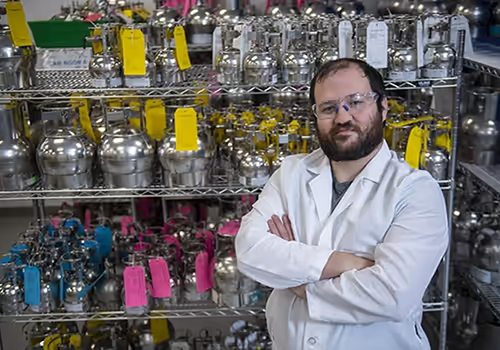
Stack emissions testing (source testing) is the process of evaluating the characteristics of waste gas stream emissions from industrial facilities to meet environmental standards. Stack testing measures the amount of specific regulated pollutants or surrogates emitted into the atmosphere. It can also be used to measure the destruction or removal efficiency of a control device used to reduce stack emissions. Stack monitoring is an important tool for assessing a facility’s compliance with regulated emission limits.
Stack Testing Methods: EPA Methods 5, 29, 23, 25A, 26A and 320
Stack testing is specified by method, and the method is set by the permit or the applicable regulation rather than by preference. Pace® performs testing to the reference methods your program requires, including:
- EPA Method 5 and its variants for filterable particulate matter, with EPA Method 202 for condensable particulate.
- EPA Method 29 for multiple metals, including mercury, and EPA Method 30B for mercury by sorbent trap.
- EPA Method 23 for dioxins, furans and polycyclic aromatic hydrocarbons.
- EPA Method 25A for total gaseous organic concentration, and EPA Method 18 for speciated volatile organics .
- EPA Method 26 and 26A for hydrogen halides and halogens, including HCl and HF.
- EPA Method 320 for extractive FTIR analysis of volatile organic and inorganic compounds.
- EPA Methods 1 through 4 for the traverse points, velocity, molecular weight and moisture determinations that support every one of the above.
If the reference method is not named in your permit or your test plan, contact us before the test date. Method selection is the single most common reason a stack test result is rejected by a regulator.

What We Measure in Stack Emissions
Pace® offers a complete range of stack emissions testing services designed to complement and support the efforts of facility environmental and process engineers, consultants, and government regulatory agencies. With decades of experience, Pace® applies innovative solutions to environmental challenges and routine methodologies to cost-effectively serve your emission monitoring needs. Our sampling expertise includes:
- Particulates (Total, PM-10, Condensable, Size Fractioning)
- Heavy Metals Including Mercury
- Dioxins and Furans
- Semi-volatile Organics (PAHs, PCBs, POHCs)
- Volatile Organics (Speciated and Total)
- Acid Gases (HCl, HF, H 2SO 4)
- Sulfur Compound Gases (H 2S, COS, CS 2, SO 2, TRS)
- Combustion Products (CO, SO 2, NO x, O2/CO2)
- Opacity
- Gas Phase FTIR for volatile organics and inorganics
Regulated Industries and Air Permit Programs
Industries, such as non-metallic mineral processors, synthetic organic chemical manufacturers, clean fuel boilers, and hazardous waste incinerators, are experiencing new or revamped environmental regulations. “Criteria pollutants” are no longer the primary environmental concern.
Now, industries are also concerned with hazardous air pollutants (HAPs), maximum achievable control technologies (MACT), Title V, metals, dioxin, speciated organics, and a general public that is much more aware of air quality. As environmental regulations outpace method development and technology, sampling expertise and regulatory knowledge are paramount to a successful testing program.

Who Needs Stack Testing
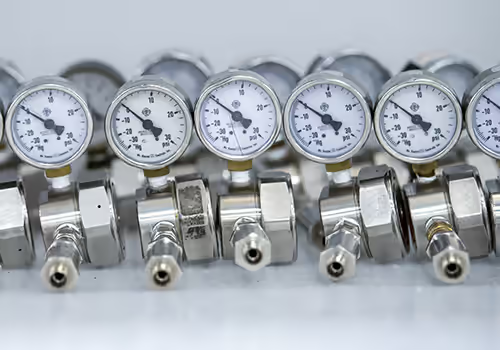
Stack emissions testing is required of industrial facilities operating under Title V and state air permits, non-metallic mineral processors, synthetic organic chemical manufacturers, boilers and combustion sources, hazardous waste incinerators, and any facility demonstrating the destruction or removal efficiency of an air pollution control device. Environmental consultants and regulatory agencies also commission testing on behalf of facility operators.
How to Prepare for a Stack Test
Stack testing can be a complex undertaking that requires extensive preparation and a competent test team. A successful stack test begins long before the stack testing company arrives at your facility.
Stack Test Reports and Deliverables
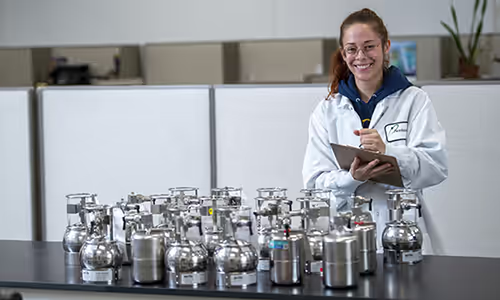
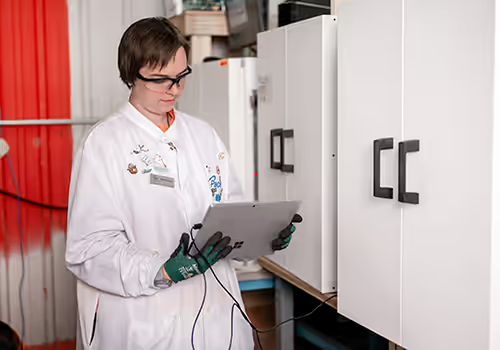
Every test program is delivered with a test plan submitted in advance for regulatory review where required, field data sheets, laboratory results and a final report in the format your permitting agency accepts. A single point of contact and a dedicated project manager run the program from planning through report submission. Contact us early, since most agencies require notification and test plan approval before the test date.
On-Demand Webinar: Preparing for a Stack Test
Everything You Need to Know, But Don’t Know to Get Ready for a Stack Test
- What can go wrong?
- What can I do to prepare for a test?
- What are the basic steps?
Additional Stack Testing Resources
Need to find a lab that can handle your unique requirements?
Contact us directly or download our list of environmental certifications across our network.